
Portable & Off-Grid Solar Panels
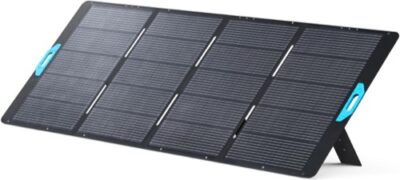
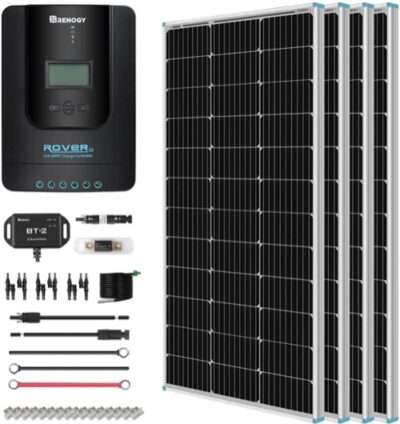
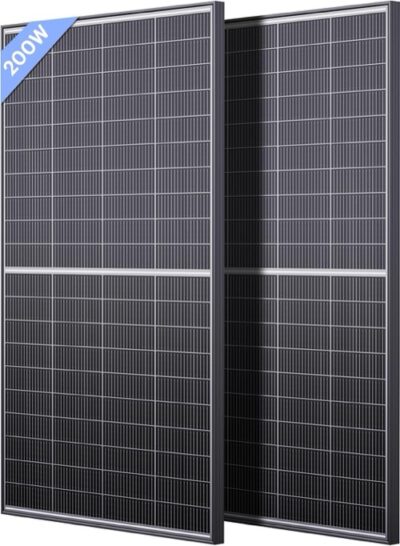
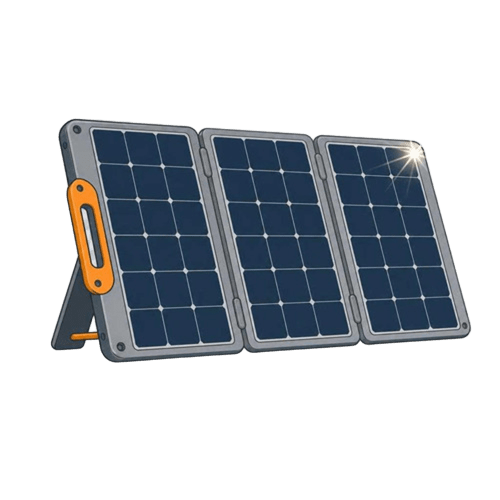
Compare portable, foldable, flexible, and rigid solar panels for camping, RVs, battery systems, and power stations. Check electrical limits, dimensions, connectors, and expected daily energy before you buy.
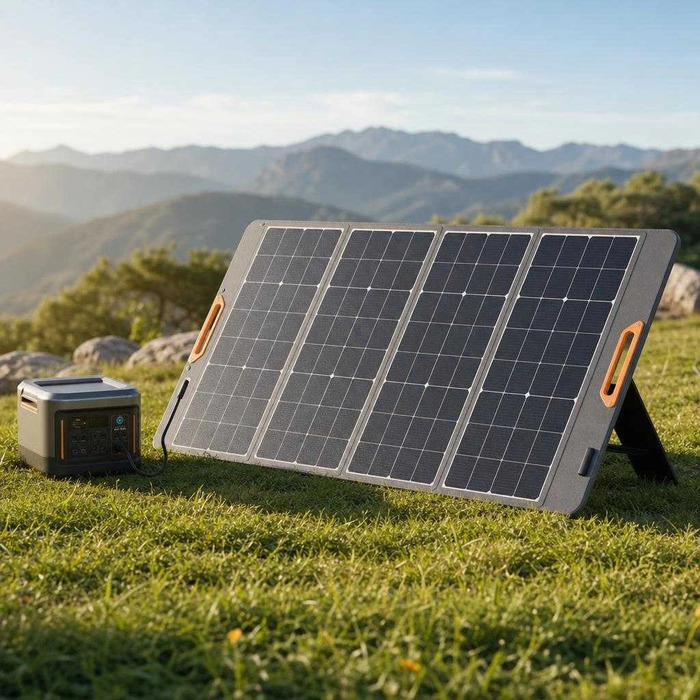
Best Solar Panel Buying Guides
SEE ALL →
Solar Panel Comparisons
SEE ALL →
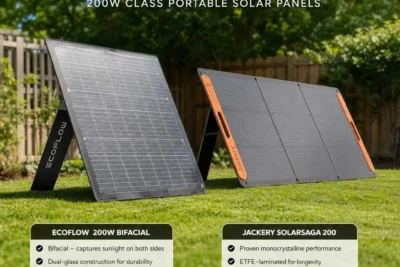
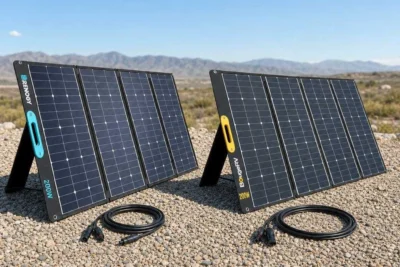
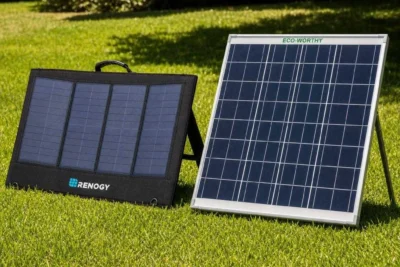
Solar Panel Sizing & Compatibility Guides
SEE ALL →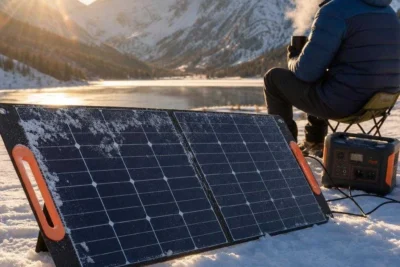
Latest Solar Panel Reviews
SEE ALL →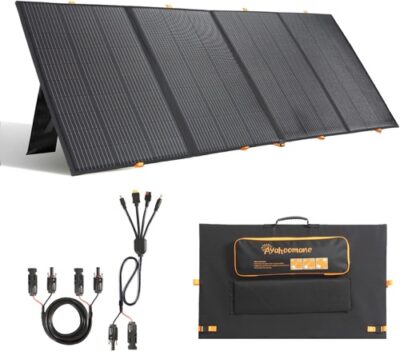
Solar Panel Output & Sizing Calculator
Pick what you want to run, and we'll estimate the portable solar panel size you need to cover it each day.
Solar Panel Size Calculator
What size solar panel do I need?
1. What do you want to power?
2. Add devices
Click a device to add it. Adjust watts, quantity, and hours per day for each one.
No devices added yet. Click a device above, or pick a use case.
3. Your sun & panel type
Not sure on sun hours? 4 is a safe average; use 3 for cloudy/winter, 5–6 for the sunny Southwest.
Panel type & setup: Charging a modern power station (Jackery, EcoFlow, Bluetti…) or using an MPPT charge controller? Leave it on the first option — that covers almost every portable kit today. Pick PWM or direct for an older/basic controller, or Polycrystalline / budget for cheap no-name panels. When in doubt, keep the default.
Frequently Asked Questions
How many watts of solar panel do I need?
Start with the watt-hours your loads use each day, divide by local peak-sun hours, then allow for temperature, angle, wiring, controller, and charging losses. Confirm that the resulting array also stays inside the power station or charge controller's voltage, current, and wattage limits.
How do I estimate daily solar-panel energy?
Multiply array watts by peak-sun hours and a conservative system-performance factor. For example, 200W × 4 peak-sun hours × 0.75 estimates about 600Wh for planning, not a guarantee. Weather, shade, orientation, cell temperature, and charge-stage behavior can move the result substantially.
Will any portable solar panel work with my power station?
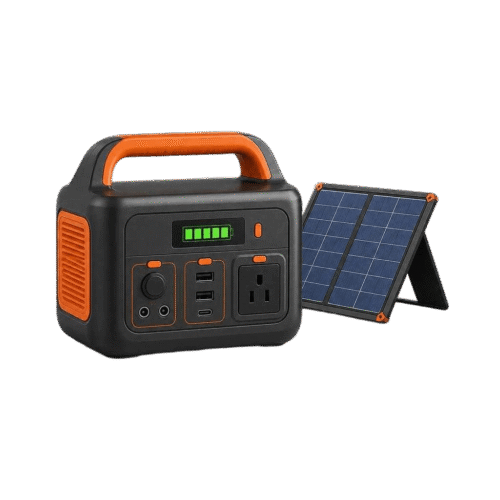
No. Check the station's operating voltage window, absolute input-voltage ceiling, input-current ceiling, wattage ceiling, connector, and polarity. Use the panel or string's cold-corrected open-circuit voltage, not only its nominal wattage, before connecting it.
Do I need a charge controller with a solar panel?
A bare battery normally needs a compatible solar charge controller between it and the panel. Portable power stations usually contain their own controller, but the connected panel or array must still fit the station's published PV input limits.
Should I connect solar panels in series or parallel?
Series adds voltage while current stays near one panel's value; parallel adds current while voltage stays near one panel's value. Choose only after checking cold-corrected Voc, operating voltage, Isc, connector ratings, wire protection, controller limits, and the effects of mismatch or shade.
Should I choose foldable, flexible, or rigid solar panels?
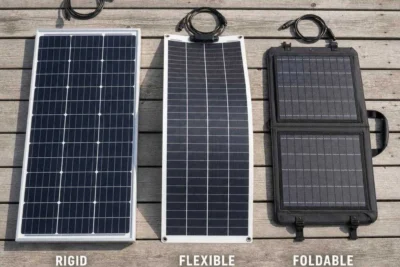
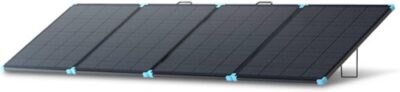
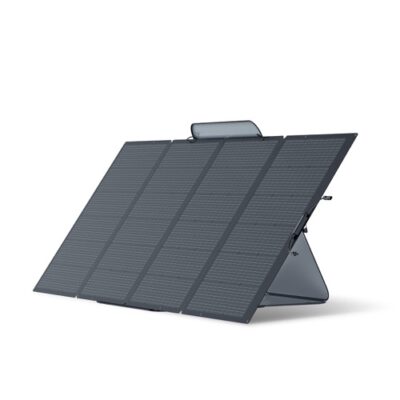
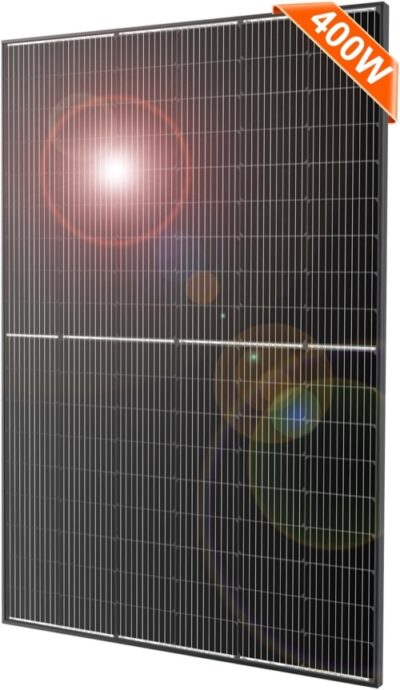
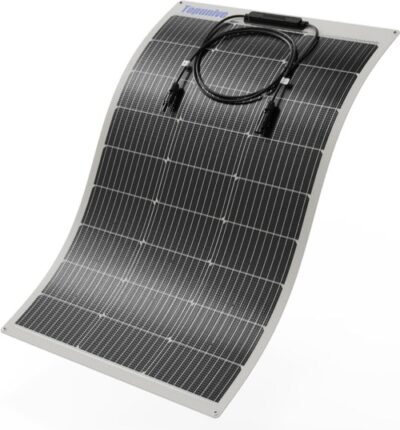
Foldable panels favor temporary deployment and storage, flexible panels fit some low-weight curved installations, and rigid framed panels usually suit permanent mounting. Compare cooling, mounting support, cable routing, weather exposure, handling frequency, dimensions, and warranty before choosing by weight alone.