
Portable Power Station Buying Guides
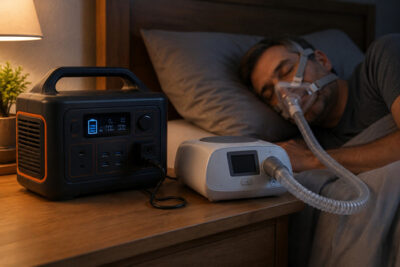
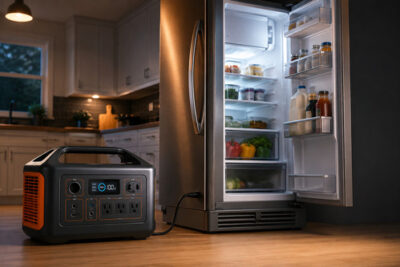
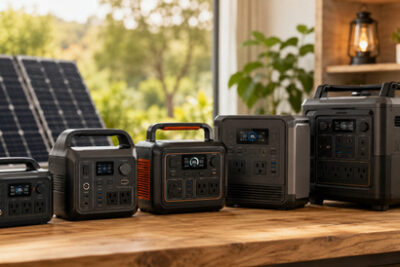
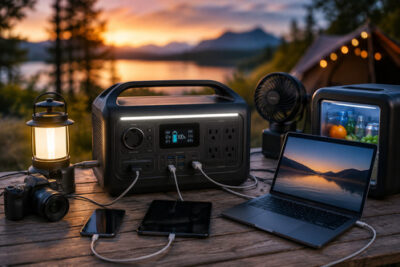
Learn how portable power stations work, what size you need, how long they run, and how to choose the right setup for camping, outages, CPAP backup, refrigerators, RVs, and solar charging.
Page 1 of 2
Next
Frequently Asked Questions
What can I find in these portable power station guides?
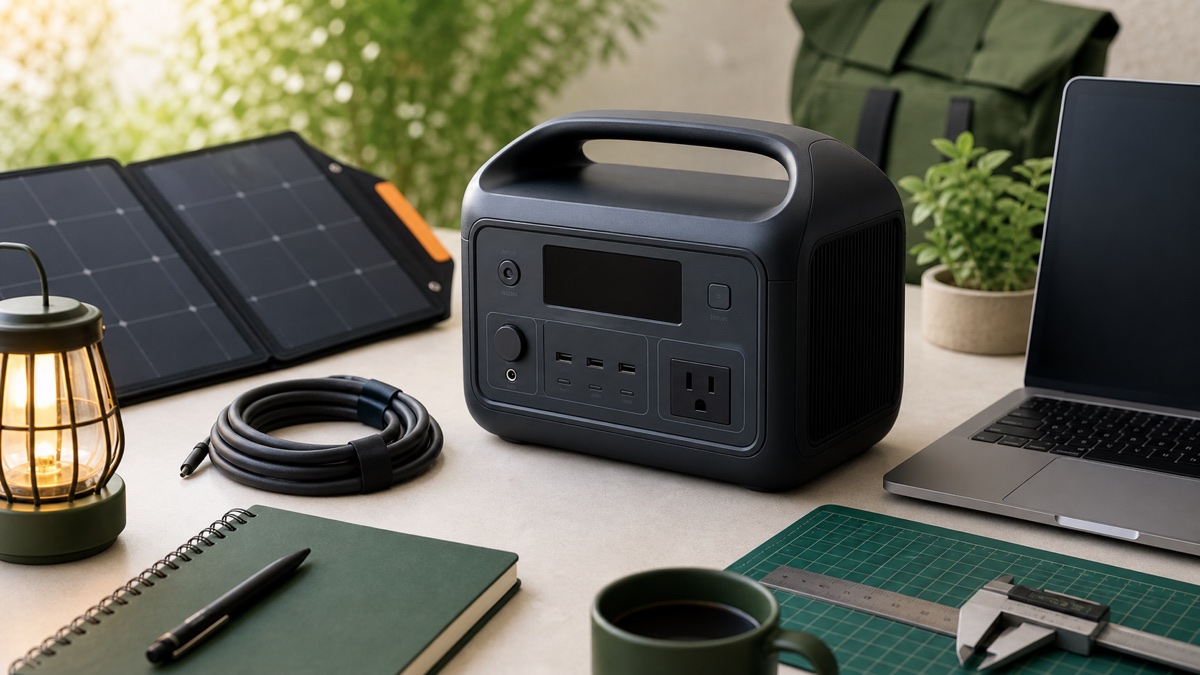
This section collects practical guides about portable power stations, solar generators, battery capacity, runtime, wattage, solar charging, and common backup power use cases. It is designed to help you understand how portable power stations work before choosing a specific model.
Which portable power station guide should I read first?
If you are new to the topic, start with a beginner guide that explains what a portable power station is and how it works. After that, read the sizing guide or runtime calculator page so you can estimate the battery capacity and output power you actually need.
How do I know what size portable power station I need?
Start by listing the devices you want to run, checking their wattage, and estimating how many hours you need to use them. Multiply watts by hours to estimate watt-hours, then add a reserve for real-world losses. A calculator or sizing guide can help you avoid buying a unit that is too small or much larger than necessary.
What is the difference between watts and watt-hours?
Watts tell you how much power a device needs at one time. Watt-hours tell you how much energy a power station can store. Output watts help determine what a power station can run, while watt-hours help estimate how long it can run those devices.
Can a portable power station run a refrigerator, CPAP, or RV appliance?
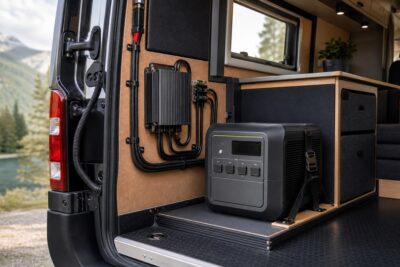
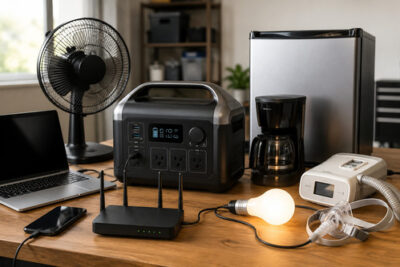
Many portable power stations can run refrigerators, CPAP machines, RV devices, routers, laptops, lights, and small appliances, but the right size depends on wattage, runtime, and startup surge. Refrigerators, pumps, compressors, and some tools may need extra surge capacity when they first turn on.
Do I need solar panels with a portable power station?
You do not always need solar panels. For short outages, weekend camping, or occasional backup use, wall charging may be enough. Solar panels become more useful for RV trips, off-grid camping, long outages, and situations where you need to recharge away from a wall outlet.
Is a portable power station the same as a solar generator?
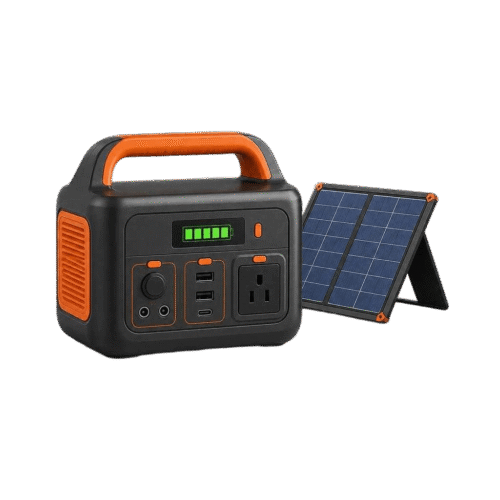
In most buying guides, the terms overlap. A solar generator is usually a portable power station that can recharge from solar panels, or a bundle that includes both a power station and panels. The power station stores the energy, while the solar panels create new power from sunlight.
What beginner mistakes should I avoid?
Do not choose by battery capacity alone. Also check continuous AC output, surge rating, solar input, battery chemistry, recharge speed, port selection, weight, and whether the unit fits your actual use case. A small power station may be perfect for phones and laptops, while refrigerators, RVs, tools, and home backup usually need more capacity and output.