
Compare Portable Power Stations Before You Buy
Side-by-side guides for comparing popular power station brands and models, including Jackery, EcoFlow, Anker, Pecron, and Bluetti, so you can choose the right option for camping, RV use, outages, solar charging, or home backup.

Frequently Asked Questions
What can I find on the Portable Power Station Comparisons page?
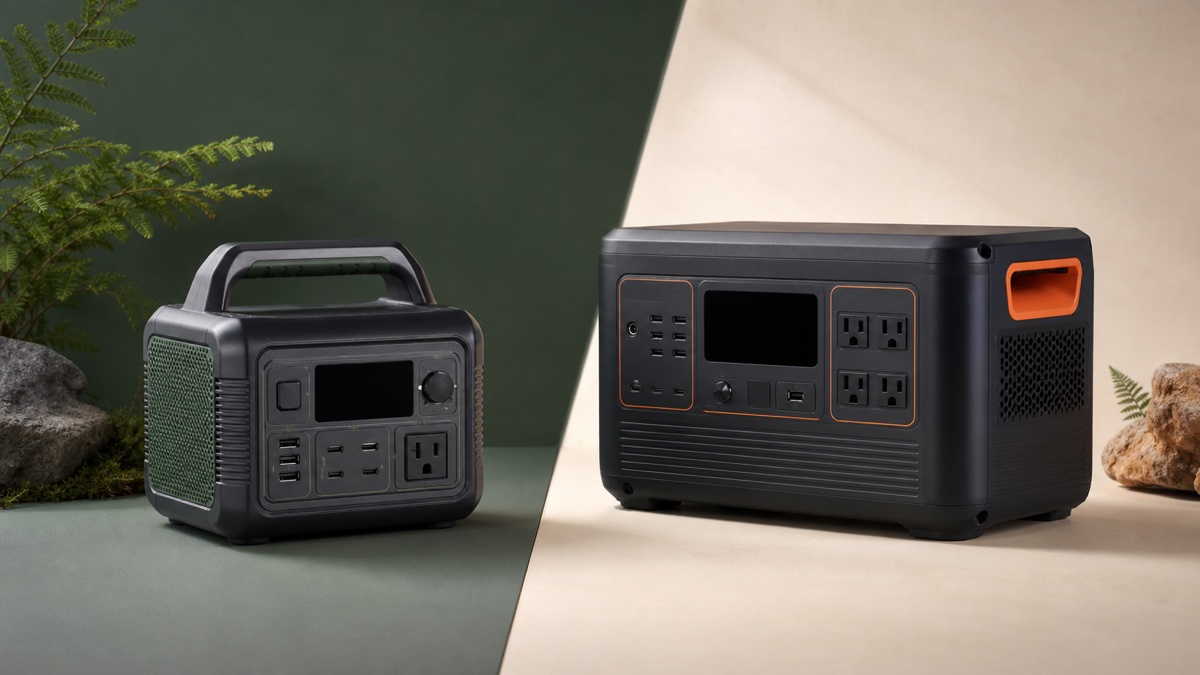
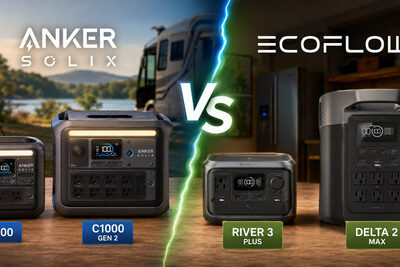
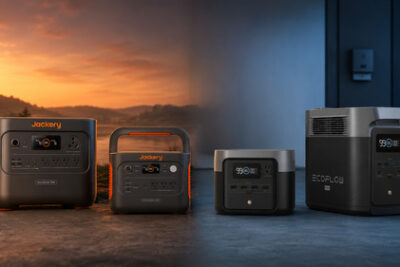
This page collects our portable power station comparison guides, including brand comparisons, model-vs-model comparisons, and buying advice for choosing between popular power station options. It is designed to help you quickly compare brands like Jackery, EcoFlow, Anker, Pecron, and Bluetti before reading full reviews.
Should I start with a brand comparison or a model comparison?
Start with a brand comparison if you are still deciding between companies, ecosystems, app features, warranty support, solar charging options, and overall value. Start with a model comparison if you already have two specific power stations in mind and want to compare capacity, output, weight, ports, charging speed, and price more directly.
What specs matter most when comparing portable power stations?
The most important specs are battery capacity, continuous AC output, surge output, battery chemistry, solar input, recharge speed, port selection, weight, expandability, UPS support, and warranty. Battery capacity affects runtime, while output wattage determines what appliances or devices the power station can actually run.
Are Jackery, EcoFlow, Anker, and Pecron good for the same uses?
Not always. Jackery often focuses on easy-to-use portable backup power, EcoFlow is strong for fast charging and expandable systems, Anker is competitive for LiFePO4 batteries and practical home or camping use, and Pecron can offer strong capacity for the price. The best choice depends on whether you need camping power, RV power, home backup, solar charging, or a budget-friendly high-capacity unit.
Are cheaper portable power stations worth considering?
Sometimes, but they need to be compared carefully. A cheaper power station can be a good value if it has enough battery capacity, safe battery chemistry, reliable output, useful ports, and decent warranty support. However, lower-cost models may have slower charging, fewer ports, weaker app support, louder fans, or less polished customer service.
Do comparison pages include solar charging differences?
Yes. Solar input is an important part of portable power station comparisons because it affects how practical the unit is for camping, RV use, off-grid work, and long outages. A higher solar input rating can recharge the battery faster, but you also need compatible solar panels, enough sunlight, and the right cables or adapters.
How do I choose between two similar power stations?
If two models look similar, compare them by real use case. For camping, weight and quiet operation may matter most. For home backup, capacity, output, surge rating, and expandability are more important. For RV use, look for higher capacity, strong solar input, useful AC ports, and possibly a 30 amp RV outlet.
Should I read individual reviews after reading a comparison?
Yes. Comparison pages are useful for narrowing your shortlist, but individual reviews give more detail about each product's strengths, weaknesses, specs, ideal uses, and trade-offs. After choosing a likely winner from a comparison, reading the full review can help confirm whether that power station fits your devices, runtime needs, and budget.