
Best Solar Panels By Use Case
Shortlists organized by panel format, wattage, portability, electrical compatibility, and intended off-grid job, using documented specifications and attributable owner evidence.
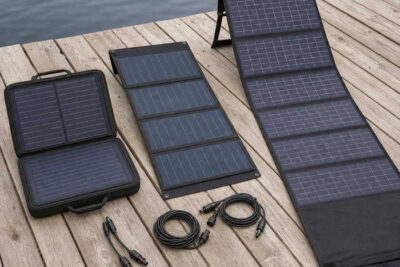
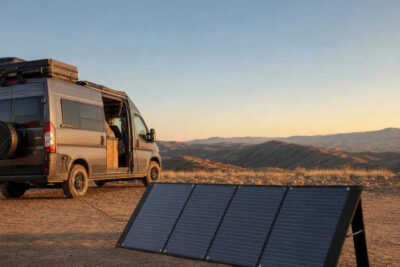
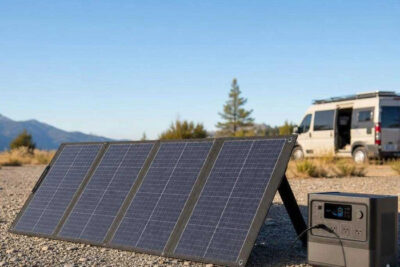
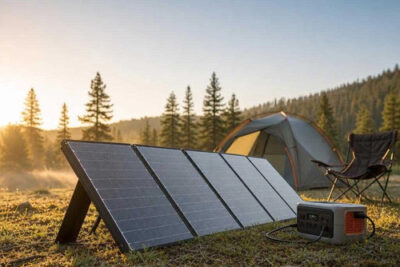
Frequently Asked Questions
How are the Best solar-panel picks selected?
The shortlists compare exact products using attributable specifications, manuals when available, physical dimensions, electrical compatibility, warranty terms, and exact-product owner evidence. They do not represent Solar Power Picks laboratory testing unless a page explicitly documents a first-party test method and results.
What is the best solar-panel format for most campers?
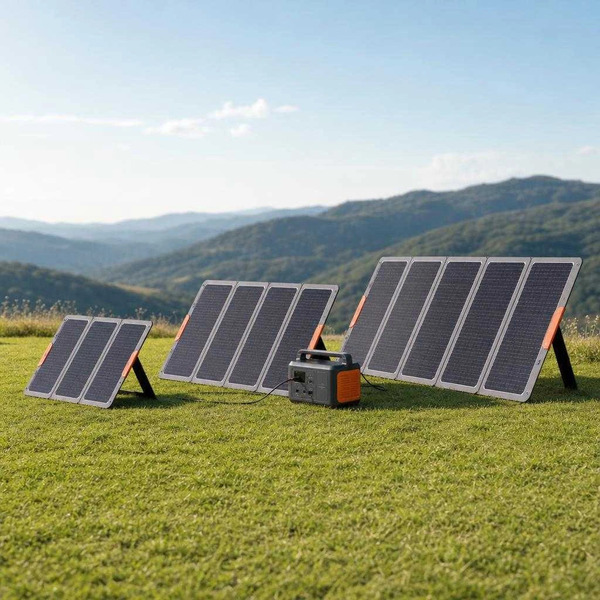
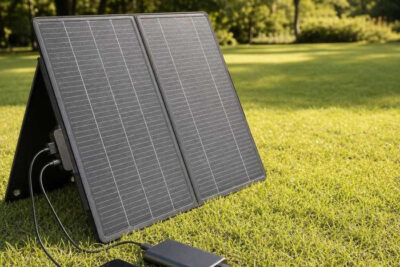
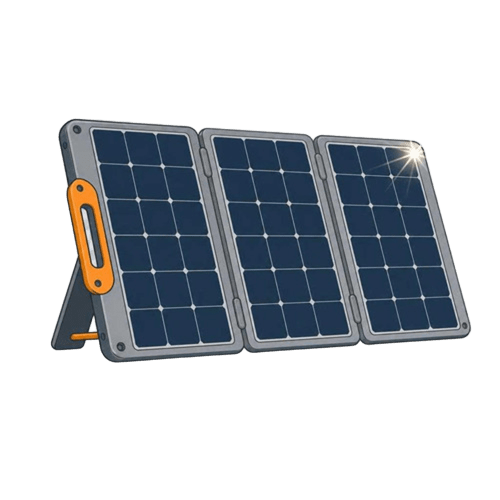
A foldable panel is often the practical starting point because it stores compactly and can be repositioned during the day. The right choice still depends on carried weight, deployment space, wind control, weather exposure, connector compatibility, and how many watt-hours must be recovered.
Is a 100W or 200W portable panel better?
A 100W panel is easier to carry and may suit small stations or light daily loads. A 200W panel can recover more energy during a limited solar window but costs and weighs more. The receiving device's PV limits decide whether the additional capacity is usable.
Do the best solar panels reach their rated watts?
Rated power is measured under standardized test conditions. Field output changes with irradiance, cell temperature, angle, shade, cable loss, controller behavior, and battery charge stage. Treat nameplate watts as a comparison reference and model daily energy with conservative assumptions.
Can one panel be best for camping, RVs, and power stations?
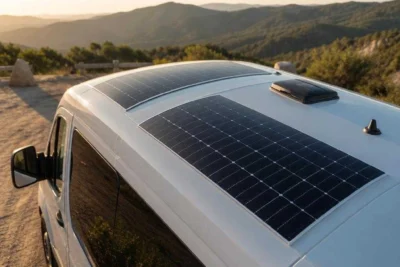
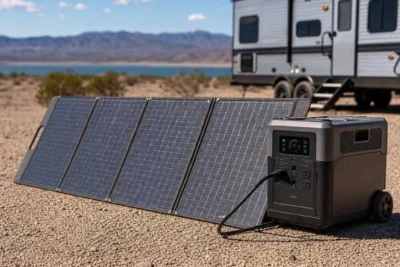
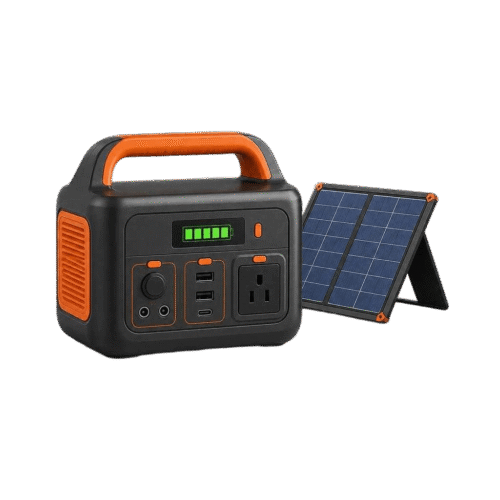
Sometimes, but those jobs prioritize different constraints. Camping emphasizes carry weight and setup; RV use emphasizes mounting and battery integration; power-station charging emphasizes the exact PV voltage window, current ceiling, connector, and polarity.