
Best Solar & Backup Power Gear
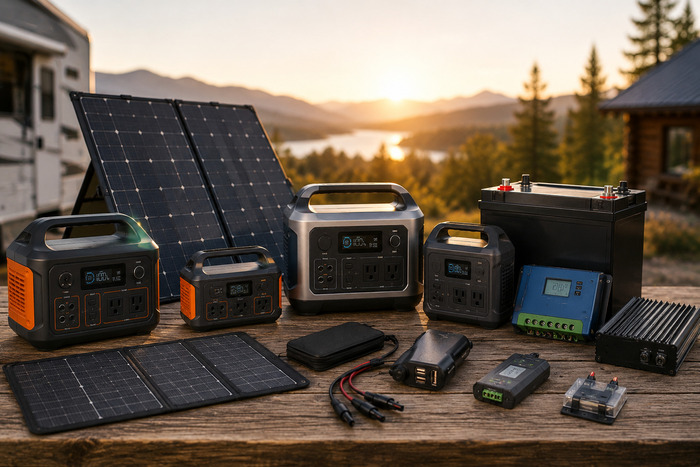
Browse our best-of buying guides for portable power stations, solar generators, RV solar kits, solar batteries, solar panels, and backup power gear. Each guide focuses on practical use cases, key specs, real-world value, and which products make the most sense for different needs.
Page 1 of 4
Next
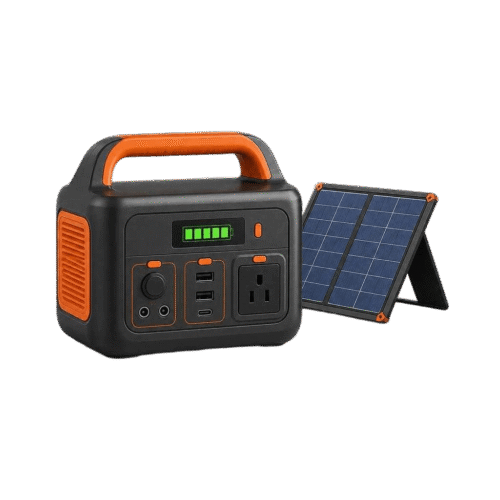
Frequently Asked Questions
What can I find on the Best Picks page?
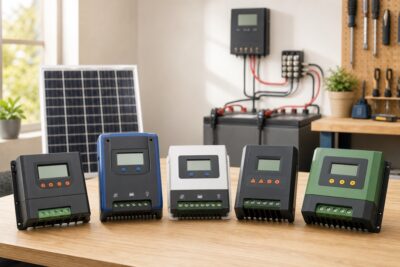
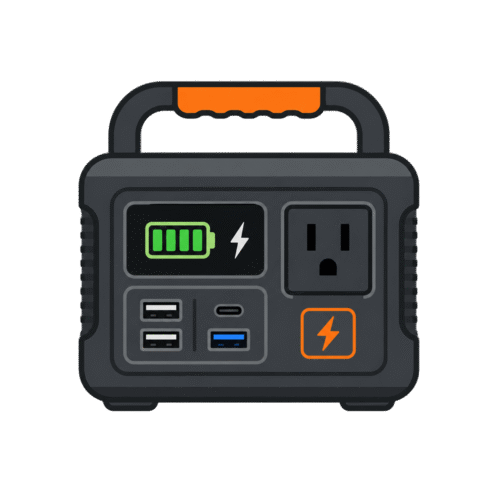
This page collects our best product guides for portable power stations, solar generators, RV solar kits, solar battery chargers, charge controllers, and small off-grid power setups. It is designed to help you quickly find the right buying guide for your specific use case.
How do you choose which products to recommend?
We focus on practical specs, real-world use cases, customer feedback, price, battery capacity, output power, charging options, portability, and long-term value. For portable power stations, we pay close attention to watt-hours, inverter output, surge rating, solar input, battery chemistry, recharge speed, and whether the unit actually fits the job.
Should I start with a portable power station or a solar generator guide?
Start with a portable power station guide if you mainly need backup power for camping, RV use, blackouts, CPAP machines, refrigerators, laptops, routers, or small appliances. Many products called solar generators are really portable power stations that can recharge from solar panels, so the two categories often overlap.
What is the most important spec when comparing backup power products?
The two most important specs are output watts and battery capacity. Output watts tell you what the unit can run at one time. Battery capacity, measured in watt-hours, tells you roughly how long it can run your devices. For appliances like refrigerators, pumps, and power tools, startup surge also matters.
Are bigger power stations always better?
Not always. Bigger power stations usually give you more runtime and higher output, but they also cost more and weigh more. A compact unit may be better for phones, laptops, routers, lights, and short camping trips. Larger units make more sense for refrigerators, RVs, home backup, power tools, or longer outages.
Which buying guide should I read first?
If you are not sure where to begin, start with the guide that matches your main use case. For outages, look at refrigerator backup or home backup guides. For travel, start with camping or RV power station guides. For CPAP use, start with a CPAP backup power guide. For small solar setups, start with solar battery charger or charge controller guides.
Do I need solar panels with a portable power station?
You do not always need solar panels. For short outages or weekend use, wall charging may be enough. Solar panels become more useful for camping, RV trips, off-grid use, long outages, or any situation where you need to recharge away from a wall outlet.
Can these guides help me avoid buying the wrong size power station?
Yes. Our best guides are built around real use cases, not just big spec numbers. We explain how much power common devices use, how battery capacity affects runtime, and when you should choose a smaller, mid-size, or larger power station.