
Power Gear Comparisons Explained Clearly
Learn how solar power, portable power stations, solar generators, RV solar kits, batteries, charge controllers, and backup power systems actually work. These guides explain sizing, runtime, watts, watt-hours, solar charging, safety, and setup basics in plain language.
Page 1 of 4
Next
Frequently Asked Questions
What can I find on the Power Gear Comparisons page?
This page collects side-by-side comparison guides for portable power stations, solar generators, RV solar kits, solar batteries, charge controllers, and backup power setups. It is designed to help you understand the differences between similar products, brands, technologies, and power solutions before you choose.
How are comparison guides different from buying guides?
Buying guides focus on finding the best products for a specific use case. Comparison guides focus on differences, trade-offs, strengths, weaknesses, and which option makes more sense for different needs. They are useful when you are choosing between two brands, two models, or two types of power equipment.
Which comparison should I read first?
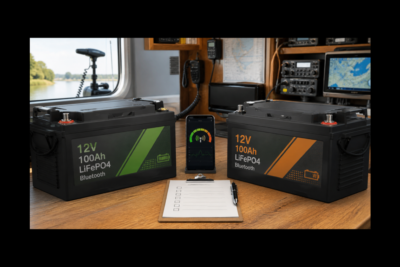
Start with the comparison that matches your decision. If you are choosing between brands, read a brand comparison like Jackery vs EcoFlow or Anker vs EcoFlow. If you are choosing between models, read a model comparison. If you are comparing technologies, start with guides like solar generator vs gas generator, PWM vs MPPT, or LiFePO4 vs AGM.
Do you compare products, brands, or technologies?
Yes. This comparison hub can include product-vs-product comparisons, brand-vs-brand comparisons, and technology comparisons. For example, we may compare two portable power stations, two solar generator brands, or two battery and charging technologies used in RV and off-grid power systems.
What specs matter most in backup power comparisons?
The most important specs usually include battery capacity, continuous output watts, surge rating, solar input, charging speed, battery chemistry, port selection, expandability, weight, noise level, UPS features, warranty, and price. The right spec depends on whether you are using the gear for camping, RV travel, CPAP backup, refrigerator backup, or home outages.
Are solar generators and portable power stations the same thing?
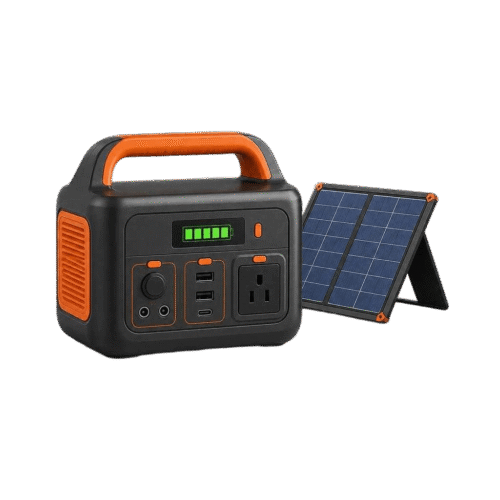
In many cases, yes. A solar generator is usually a portable power station that can recharge from solar panels, or a bundle that includes a power station and panels. The power station stores energy in a battery and powers your devices through AC, DC, USB, or USB-C outputs.
Can comparison guides help me avoid buying the wrong setup?
Yes. Comparison guides are useful because many products look similar on paper but fit different users. A lightweight camping unit may be a poor choice for refrigerator backup, while a large home backup system may be too heavy and expensive for weekend trips. Comparing the trade-offs helps match the equipment to the job.
Should I choose the product with the biggest battery?
Not always. A bigger battery gives you more runtime, but it usually costs more, weighs more, and takes up more space. For small devices, camping, laptops, routers, and short outages, a smaller or mid-size unit may be better. Bigger systems make more sense for refrigerators, RV loads, power tools, home backup, and longer outages.