
Solar Generator Guides
Plain-English sizing, runtime, component, and ownership guidance for complete power-station-and-panel systems.
Frequently Asked Questions
What is a solar generator?
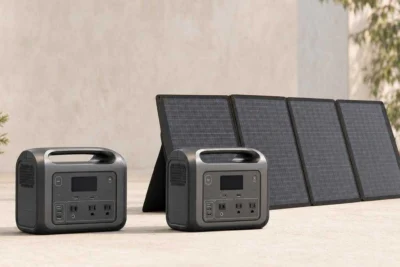
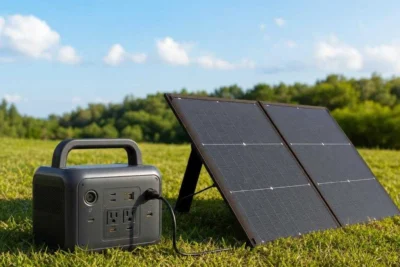
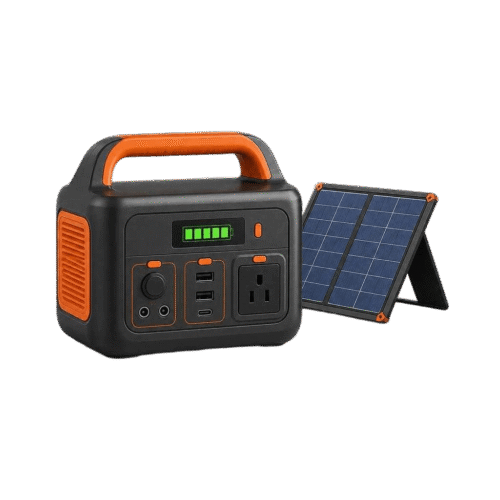
A solar generator is a portable power station — a battery with a built-in inverter — sold together with one or more solar panels, so it both stores energy and refills from sunlight. Unlike a gas generator it runs silently, needs no fuel, and is safe to use indoors. Read the full explainer: what is a solar generator.
How does a solar generator work?
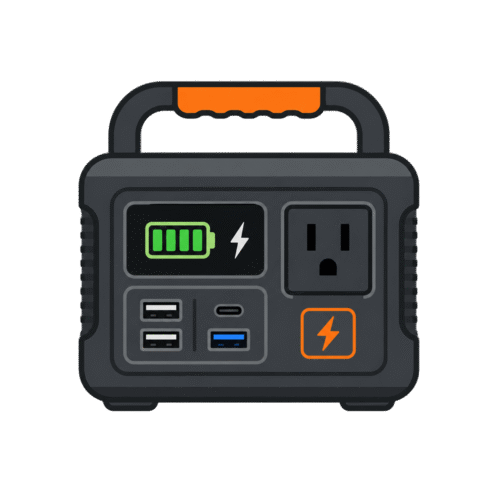
Solar panels turn sunlight into DC electricity, a charge controller feeds it safely into a lithium battery, and an inverter converts the stored energy into the household AC power your devices use. You can also recharge the battery from a wall outlet or a car socket when there is no sun. Our beginner guide breaks down each part.
Are solar generators worth it?
For camping, RVs, CPAP and fridge backup, and short power outages, yes — you get quiet, fuel-free, emission-free power that recharges from the sun. They are less suited to running a whole house for days or to high-heat loads. See the honest breakdown: are solar generators worth it.
What is the difference between a solar generator and a power station?
They are the same core device. A power station is the battery-and-inverter unit sold on its own; a solar generator is that same power station bundled with solar panels. The only real difference is whether panels are included. More detail: solar generator vs power station.
How long does a solar generator last?
Per charge, runtime is capacity divided by your load — a 1,000Wh kit runs a 100W device about 8 to 9 hours after losses. Over its lifetime, a LiFePO4 solar generator typically lasts 3,000 to 6,000-plus charge cycles, or roughly 10 years of regular use. Full math: how long a solar generator lasts.
What size solar generator do I need?
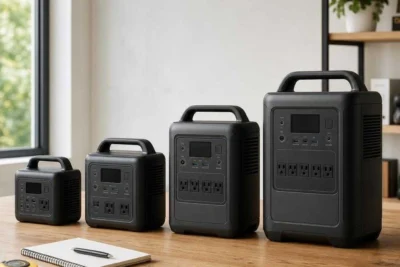
Add up the watt-hours your devices use in a day, add about 15 percent for losses, then confirm the biggest single device fits under the inverter output rating. Weekend camping usually needs 300 to 1,000Wh; fridge or CPAP backup 1,000 to 2,000Wh; home essentials 2,000Wh or more. Use our sizing guide and the size calculator.