Solar Power Picks logo with sun, solar panel, and green energy icon

  • Home
  • Reviews
  • Best
    • Best portable power stations
    • Best Solar Panels
    • Best Solar Generators
    • Best Solar Charge Controllers
    • Best Solar Batteries
  • Guides
    • Portable Power Stations Guides
    • Solar Panels Guides
    • Solar Generators Guides
    • Solar Charge Controllers Guides
    • Solar Batteries Guides
  • Comparisons
    • Portable Power Stations Comparisons
    • Solar Panels Comparisons
    • Solar Generators Comparisons
    • Solar Charge Controllers Comparisons
    • Solar Batteries Comparisons
  • Calculator
Guides

What Can a 100W Solar Panel Power? Real Numbers, Not Hype

2 min read
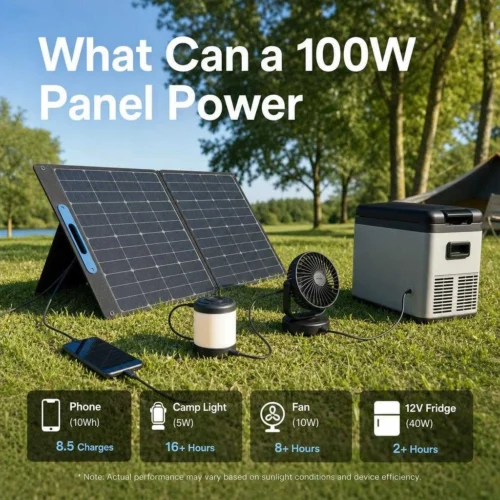
What a 100W solar panel can power — phone, fan, lights, and a 12V fridge

Table of Contents

What can a 100W solar panel power? It can comfortably replenish small electronics, lights, a router, or part of a refrigerator’s daily demand when sun and storage cooperate. It cannot directly guarantee a continuous 100W load, because solar input changes and the battery must bridge nights and clouds.

Start With a Daily Energy Allowance

210WhPoor-day example: 3 PSH × 0.70
312WhTypical example: 4 PSH × 0.78
425WhStrong example: 5 PSH × 0.85
Not guaranteedWeather can fall outside every scenario.

Spend the Watt-Hours Device by Device

Device example Daily energy Fit inside a 312Wh day?
Two phone charges About 30Wh including loss Easy
10W LED for 5 hours 50Wh Easy
12W router for 8 hours 96Wh Reasonable
Laptop recharge Roughly 60–100Wh Usually
12V fridge Often 300–600Wh/day Uncertain or insufficient

Device figures vary by model and duty cycle. Measure the actual appliance or use its energy label. A compressor refrigerator’s nameplate watts do not run continuously, while a router may consume power all day.

Why a Battery Changes the Answer

SunlightVariable input
PanelDC generation
ControllerTracks and regulates
Battery/loadStores and supplies on demand

A battery or power station buffers passing clouds and runs devices after sunset. Its usable capacity, output-port efficiency, maximum power, and low-voltage cutoff all matter. A 100W panel may replenish a small station slowly even when the station can briefly run a much larger load.

A Worked Day: Communications and Lighting

Two phones use 30Wh, a router uses 96Wh, LED lighting uses 50Wh, and a laptop uses 80Wh. Total: 256Wh. Add 15% for conversion and uncertainty and the target becomes about 294Wh—inside the illustrative 312Wh day, but with almost no weather reserve.

Planning lesson: A calculation that barely closes on a typical day does not support a critical load. Add storage and panel headroom or keep another charging source.

Loads That Usually Need More Than 100W

Good territoryPhones, lights, camera batteries, router, small electronics.
Budget carefullyLaptop plus communications, intermittent fridge use, larger station recovery.
Size upElectric heat, cooking, air conditioning, continuous high-power appliances.

Three Checks Before Buying

  1. Total daily Wh, including standby and conversion loss.
  2. Confirm the controller or station accepts the panel voltage, current, watts, connector, and polarity.
  3. Run poor, typical, and strong sun scenarios—not one optimistic day.

Use the solar calculator for your own load list, then compare our 100W portable-panel shortlist.
Frequently Asked Questions

Can a 100W solar panel run a refrigerator?

It may cover part or all of an efficient 12V refrigerator's daily energy in strong sun, but fridge consumption, weather, controller loss, and storage decide the result. Many fridges use roughly 300–600Wh/day.

Can a 100W panel run a laptop?

Usually through a suitable battery or power station. One laptop recharge often uses roughly 60–100Wh including some loss, leaving less energy for other loads.

How much energy does a 100W panel produce daily?

At 3–5 peak-sun hours and a 0.70–0.85 planning factor, roughly 210–425Wh illustrates poor-to-strong scenarios. Actual output can fall outside the range.

Can I power devices directly from the panel?

Only when the panel provides a regulated output explicitly designed for the device. A battery or power station is usually safer and provides stable power when sunlight changes.

When should I buy a 200W panel instead?

Move up when daily demand is consistently above roughly 250–300Wh, faster station recovery matters, or you need useful reserve for imperfect sun—assuming the input accepts it.

Share this article

Twitter Facebook LinkedIn Email

Leave a Reply Cancel reply

Your email address will not be published. Required fields are marked *

Related Articles

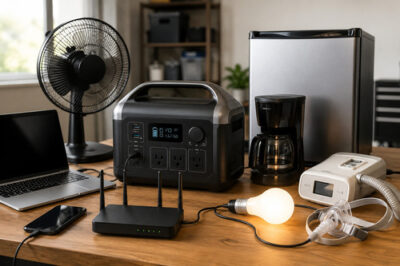
Portable power station powering home essentials including a laptop, Wi-Fi router, fan, coffee maker, mini fridge, light bulb, and CPAP machine on a table.

How Many Watts Do I Need? Watts, Wh, and Runtime Made Simple

Read More
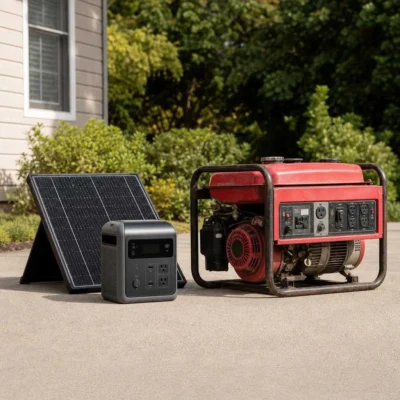
A quiet portable solar generator beside a traditional gas generator on a driveway

Solar Generator vs Gas Generator: Which Wins?

Read More
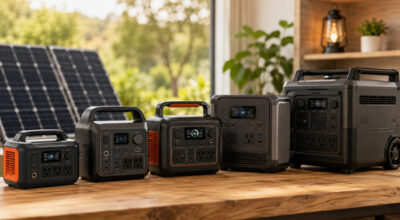
Lineup of different-size portable power stations on a wooden table with solar panels nearby, showing backup power options for home and outdoor use.

How to Choose the Right Portable Power Station Size

Read More

About Solar Power Picks

Portable Solar Power, Backup Power, and Off-Grid Gear Guides

Your trusted source for honest, in-depth product reviews and comparisons.

Quick Links

  • Best Picks
  • Reviews
  • Guides
  • Comparisons
  • Calculator
  • Privacy policy
  • Favorites

Categories

  • Portable Power Stations
  • Solar Batteries
  • Solar Charge Controllers
  • Solar Generators
  • Solar Panels

© 2026 Solar Power Picks. All Rights Reserved.

We may earn a commission when you purchase through links on our site. Learn more