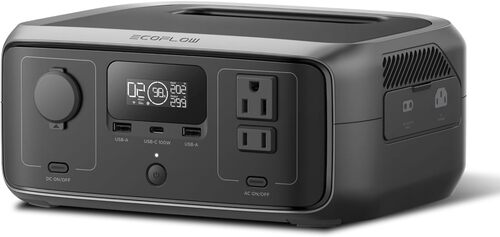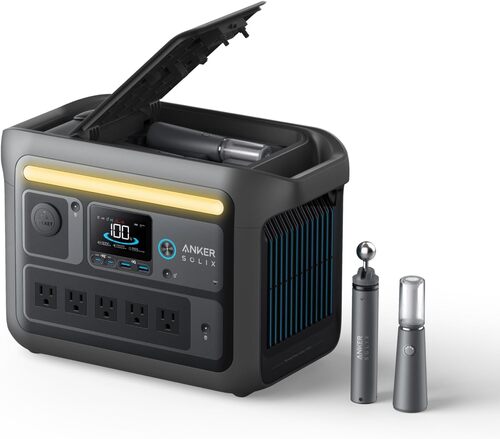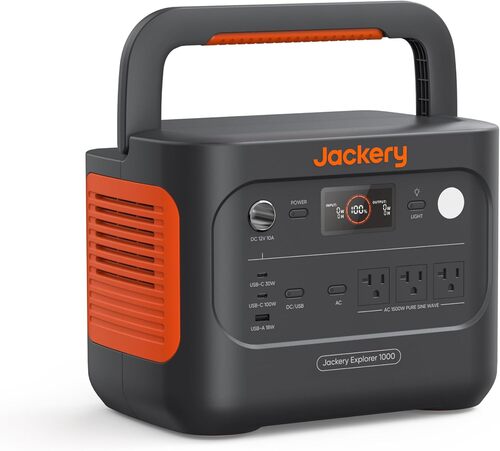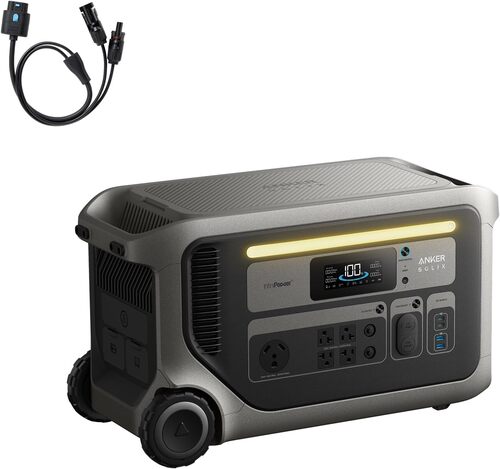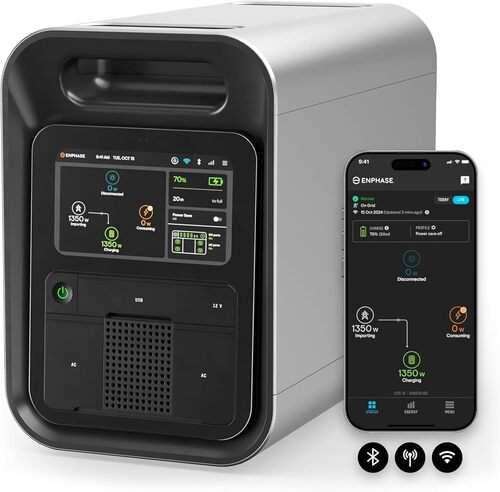
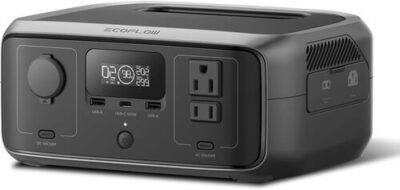
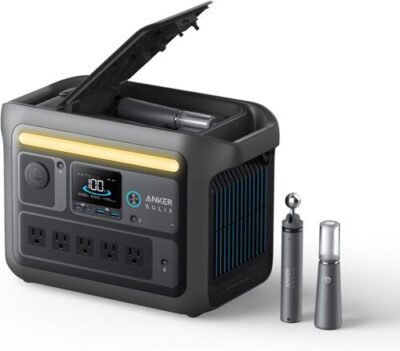
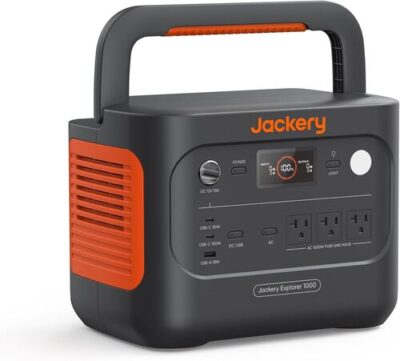
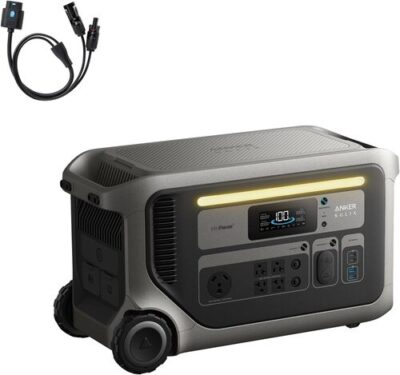
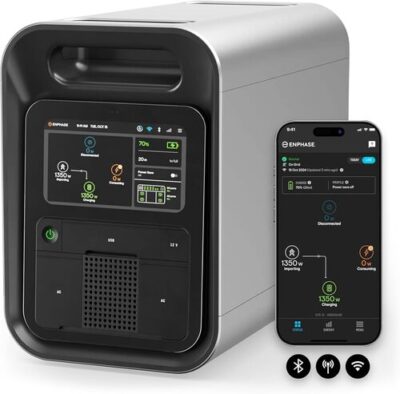
The best portable power station for camping is the one that finishes the trip with reserve, not the model that looks most impressive in the driveway. Trip length, camp style, packed weight, quiet-hour loads, and the chance to recharge matter more than a single headline wattage.
A tent weekend can work with a few hundred watt-hours. A family camp with a fridge, camera batteries, fans, and a coffee routine moves toward 700–1,200Wh. An RV base camp can justify several kilowatt-hours, a high-current outlet, and a serious array.
Map the Trip Before Packing the Battery
| Camp pattern | Likely energy class | What changes the answer |
|---|---|---|
| One-night tent trip | 200–300Wh | Heated bedding, CPAP humidifier, or a compressor cooler |
| Two- to three-night car camp | 700–1,200Wh | Fridge duty cycle, cooking appliances, and solar access |
| Family base camp | 1,000–2,000Wh | Several users, poor weather, and repeated high-draw tasks |
| RV or long stationary stay | 3,000Wh+ | TT-30 loads, air conditioning, and daily array yield |
Make an energy itinerary instead of a device list. A camera battery charged once is different from a fridge cycling for 72 hours. Likewise, a 1,000W coffee maker used for six minutes is an output problem first and a modest energy problem second.
Packed Weight Is the Honest Portability Number
Station weight excludes the folding panel, extension cable, adapters, case, and sometimes the expansion battery. Add the entire kit, then count how many times it moves from storage to vehicle to campsite and back. A 24-pound station can be pleasant; a 24-pound station plus two awkward panels can become the hardest part of setup.
- Keep the station dry and ventilated rather than inside a sealed tote.
- Route cables where feet, pets, and tent zippers cannot damage them.
- Secure heavy stations during vehicle travel.
- Bring a separate light instead of treating the station display as campsite lighting.
Driving-day recharge: If the trip depends on vehicle charging, use the alternator charging bottleneck map to separate accessory-socket charging from a professionally installed DC-to-DC path.
Plan Solar Around Shade, Not Noon Sun
A campsite rarely delivers a laboratory solar day. Trees move shadows across panels, morning light arrives at a poor angle, and a cooler may consume energy while the array is still folded. Design around the number of useful sun-hours and the station’s electrical input window.
| Array size | Useful daily harvest planning range | Best camp role |
|---|---|---|
| 100W | 250–450Wh | Phones, lights, camera, small fan |
| 200W | 500–900Wh | Compact fridge support and electronics |
| 400W | 1,000–1,800Wh | 1kWh-class weekend recovery |
| 1,000W+ | Site-specific | RV base camp with an engineered array |
Those are planning bands, not promises. Cloud, heat, shading, cable loss, battery state, and the MPPT ceiling move the result. Confirm cold-corrected voltage and current before connecting third-party panels.
Quiet Hours Change the Load Order
Fast AC charging and heavy inverter use can wake cooling fans. Recharge during the day, finish high-draw cooking before quiet hours, and reserve DC or USB power for overnight electronics where possible. If the station will sit beside a sleeping area, test its fan and display behavior at the intended load before the trip.
Camp-kitchen rule: kettles, hot plates, and space heaters may fit the inverter yet drain a small battery quickly. Use stored electricity where it adds unique value; use another cooking method for continuous resistance heat.
A Departure Drill Beats a Longer Feature List
- Run the fridge or medical load long enough to observe a complete duty cycle.
- Charge every device while the main load is active.
- Connect the exact panel and verify stable input in partial shade.
- Pack every adapter, panel lead, and DC cable in one labeled pouch.
- Leave with a reserve rule and a fallback if the weather removes solar charging.
For a deeper runtime plan, use the multi-day runtime guide. The right camping station is not defined by a brand; it is the smallest complete system that passes this drill without relying on best-case sun.