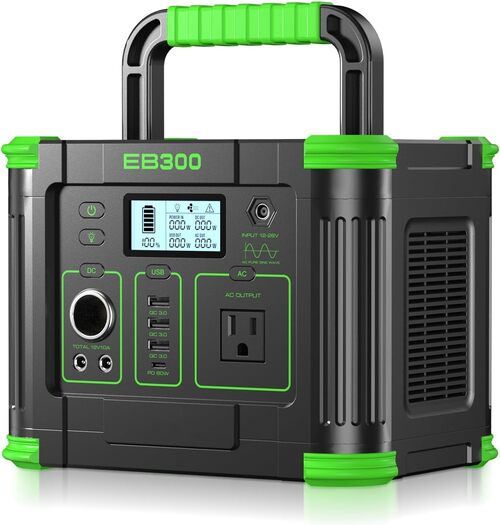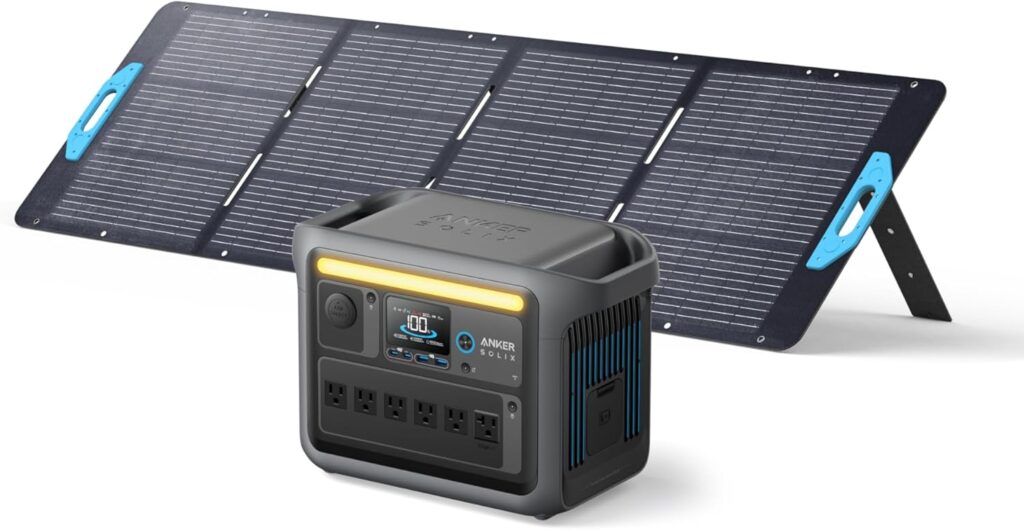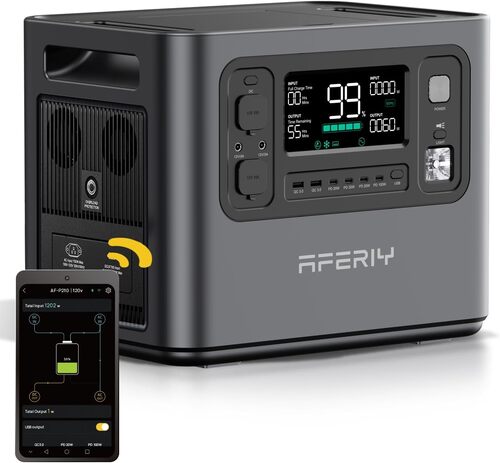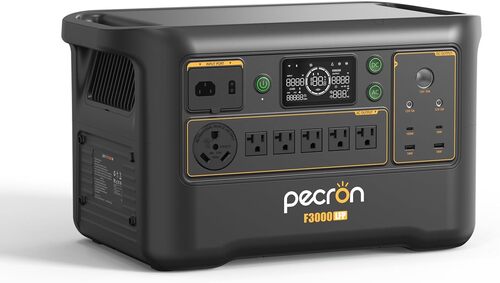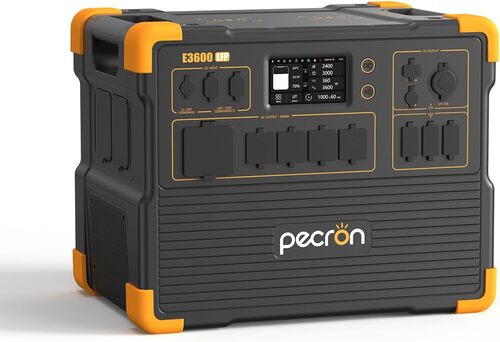
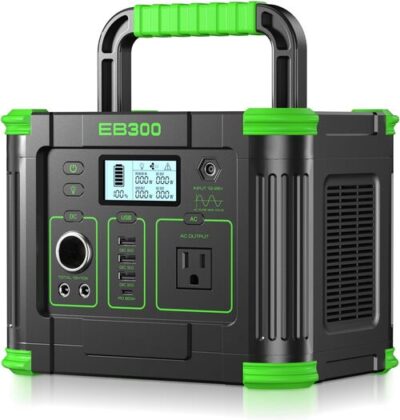
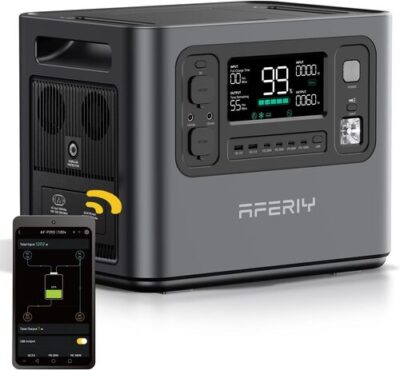
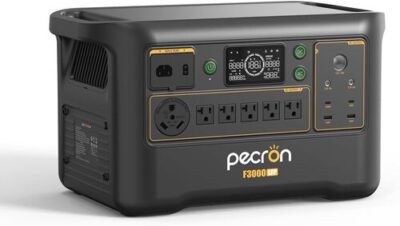
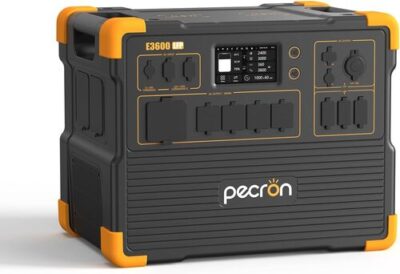
The best budget portable power station is not always the cheapest product. Budget value means buying enough verified battery, inverter, charging hardware, and support for the job without paying for unused ecosystem features.
That is why this list spans several capacities. It separates value inside each tier instead of pretending a 288Wh station and a 3,072Wh system solve the same problem.
Price the Complete System
| Cost layer | Often omitted | Question to answer |
|---|---|---|
| Station | Sale expires or bundle differs | Is this the exact model and region? |
| Charging | Panel adapter, vehicle charger, generator cable | Can every intended source connect legally and electrically? |
| Expansion | Battery and proprietary cascade cable | Is expansion cheaper than buying the right size now? |
| Movement | Cart, case, tie-downs | Can the full system be handled safely? |
Use a Different Value Test in Every Capacity Tier
For a compact unit, judge useful ports, inverter waveform, recharge speed, and whether the battery chemistry is disclosed. Near 1kWh, compare output, solar input, expansion, warranty, and weight. At 2–3kWh, receptacles, charging infrastructure, app behavior, support, and transport become system costs.
False Economy Usually Appears After Checkout
- A cheap adapter cannot correct excessive PV voltage or current.
- A large inverter does not compensate for too little stored energy.
- An expansion port has no value if the matching battery is unavailable or uneconomic.
- A low purchase price is poor value when return shipping, support, or unclear documentation increases risk.
- A high sale discount is not evidence of product performance.
Owner evidence is especially useful here. Repeated accounts of slow support, app pairing, fan noise, input quirks, or damaged deliveries become commissioning tasks. Photograph the package, record the serial number, test every source and output, and keep measurements with the order record.
Budget and Cheap Are Different Searches
The companion cheap power station guide stays in the low-cost small-load class. This budget guide asks a different question: which product gives strong value at the capacity you genuinely need? A 3kWh station can be a budget leader within its class without being inexpensive.
Value rule: compare candidates only after they pass the same load, runtime, and recharge requirements. Cost per watt-hour is meaningless when one product cannot start the appliance or accept the intended array.
A Sale-Day Worksheet
- Freeze the required capacity, continuous output, and receptacle list.
- Download the exact manual and confirm every input limit.
- Price the station plus mandatory adapters, panels, batteries, and handling gear.
- Check warranty length and who pays return freight.
- Compare the complete totals, then preserve screenshots of the bundle and terms.
A useful budget purchase leaves room for one backup charging path and no unresolved electrical assumption. If the lower price depends on ignoring a limit, it is not the value pick.
Normalize the Quote Before Ranking Value
Write one comparable quote for every candidate. Include the same usable-energy target, the same number of solar watts, the same required outlets, and the same fallback charging path. If one candidate needs an expansion battery to match another, include it. If a panel bundle uses fewer watts, do not compare bundle prices without correcting the difference.
Also record what is not published. An unavailable input window, unclear warranty, or uncertain return cost is not automatically a defect, but it is risk the lower price must justify. Prefer an exact manual over marketplace feature bullets whenever the two disagree.
Use a Return-Window Commissioning Budget
Reserve time as well as money. A value-focused station may require more setup, documentation, app pairing, adapter checks, and support contact than a premium system. Test promptly enough to preserve return options.
| Commissioning task | Evidence to save | Decision |
|---|---|---|
| Capacity check | Load watts, elapsed time, delivered energy | Keep if the result fits the planned reserve |
| Hardest startup | Video or meter record | Reject repeated overload or unstable behavior |
| Charging sources | Input watts and adapter list | Keep only if every required source works |
| Support path | Ticket and response | Price unresolved support friction as risk |